
Forststeig, Part One
Revisiting my favorite hike (so far) in Germany

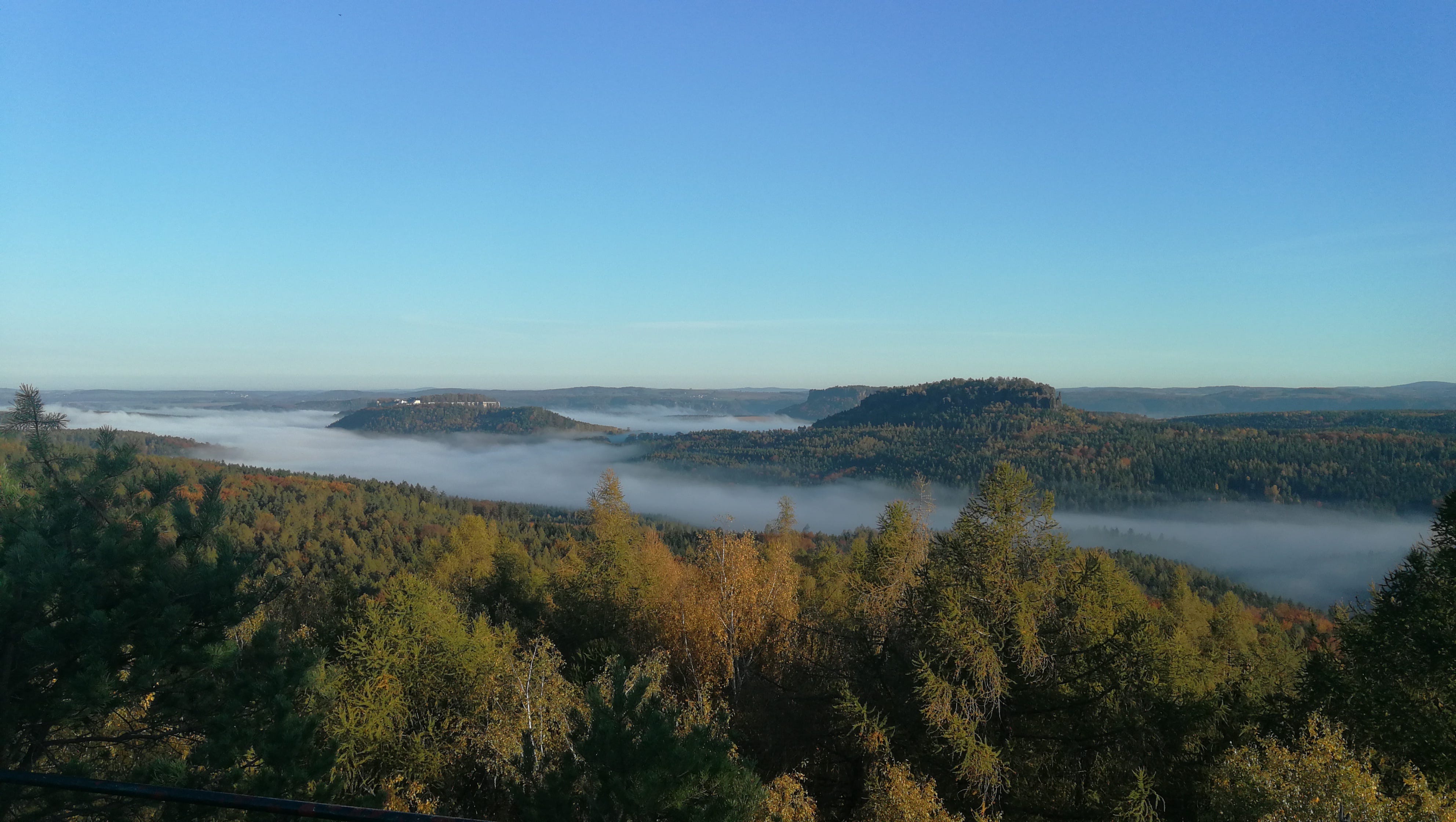
I think I’m going to end up making an annual tradition of hiking the Forststeig, which was my very first multi-day hike in Germany when I started hiking again back in 2022. Back then, I’d only previously hiked the Old Track hiking trail in Urho Kekkonen National Park that summer, in the north of Finland, and the increase in difficulty between the rolling hills of Finland’s lake-dotted Lapland terrain and the fells of the border region between Germany and Czechia was … considerable.
Adding to the difficulty was that, at that point, my hiking gear was still the very old, very heavy gear I’d brought here from the US, most of which I’d bought in the late 90s. Back then, the goal for boots, backpacks, and tents was “big and sturdy,” which translated to pack weights nearly half my body weight. My backpack was 80l, my tent was an alpine expedition tent for two people, and my boots were almost as heavy as ski boots. I somehow managed it that first year, but since then I’ve drastically cut my weight down. My pack is now a 60l “ultralight,” and I’m hiking in trail runners.
That part is an ongoing, never-ending project of gear improvement, but I was curious to see how I’d fare on a trail that was a challenging six-day hike for me two years ago, and an aborted five-day hike last year. So this year, putting my trail runners to their first real test on challenging terrain, I set out to run the Forststeig again, planning for five days and four nights to push myself. I had enough food for an extra day, but since I’d very often arrived at the camp sites by early afternoon, I wanted to see if I could double up my second day, skipping the campground in Czechia. As I had in the two previous hikes, I’d be hiking in the clockwise direction, starting at Schöna and hiking back to Bad Schandau.
Day One: Trailhead to Taubenteich
My hike starts the same way each year: I catch a train very early from Berlin (previous years the InterCity to Prague at 07:15; this year an hour earlier to use my rail-pass on local trains), passing through Dresden’s beautiful main station on the way to Bad Schandau and finally to the Schöna rail stop, a tiny station tucked under a sheer rock cliff just before the train crosses into Czechia. The trailhead is up a steep cobblestone road, and I always start the hike at about 10:30 the first day. Clips from my first day of hiking (including the trailhead) are posted here:
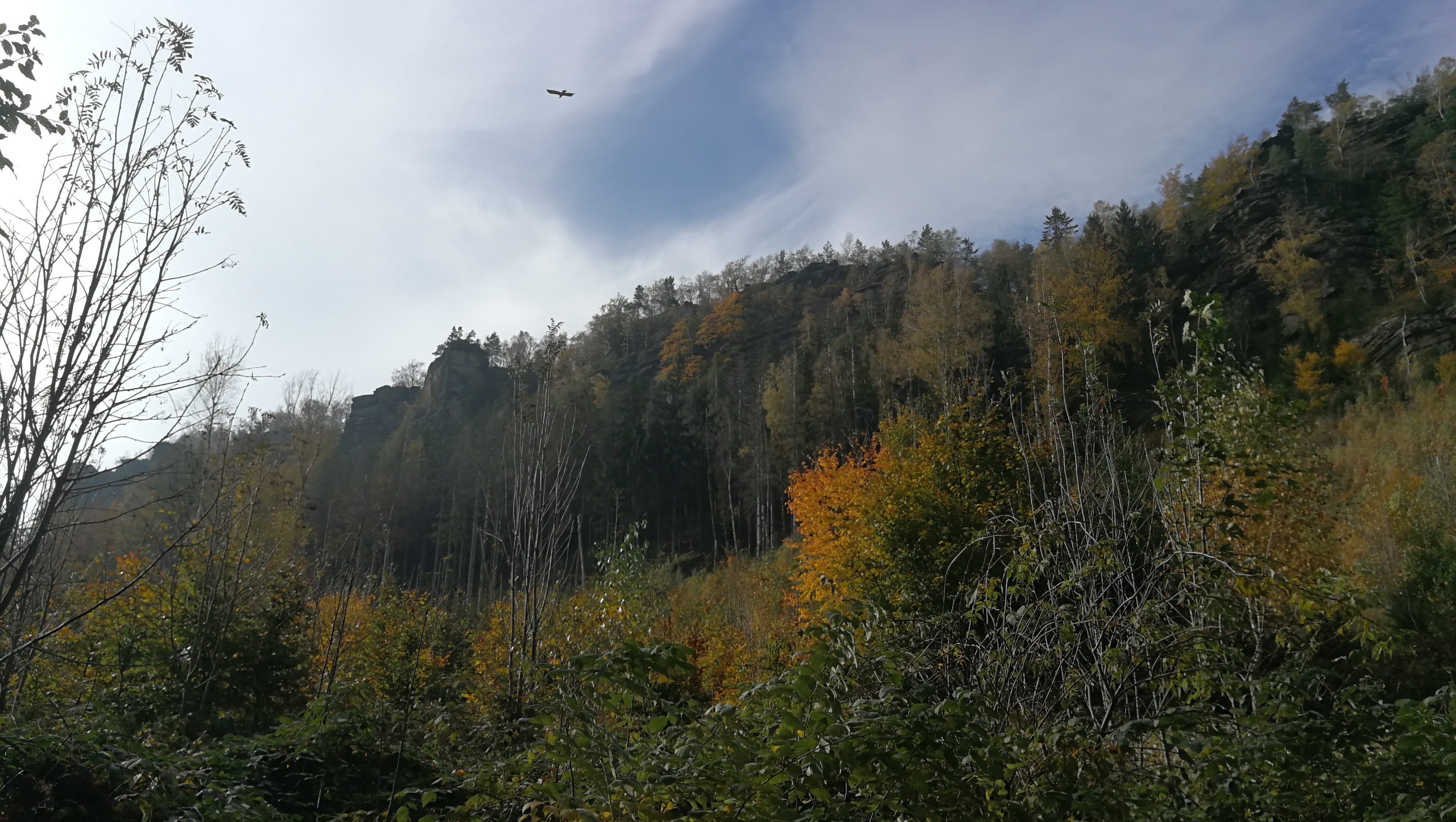
The hike is mostly very gradual, with the exception of the steep ascent to the Zschirnstein, and some equally steep descents coming down the other side. The most notable feature here is the horrible devastation wrought by the bark beetle, leaving whole hillsides bare. It’s not as bad here as the Harzer-Hexen-Stieg, but a lot of the trail was impassable due to forest work trying to clear dead and infected trees, and desperately attempting to build firebreaks to contain the spread. There are a few sections of that video where I’m scrambling over piles of dead trees.


When I finally reach Taubenteich, it’s only mid-afternoon, but I didn’t want to push too far ahead on my first day, so I stopped here. In contrast to every other time I’ve hiked the trail, I was the only one at the site (this was the last week the trail was open, so I doubt many people were on it in general), so I had many hours of solitude.
Day Two: Taubenteich to Kamphütte
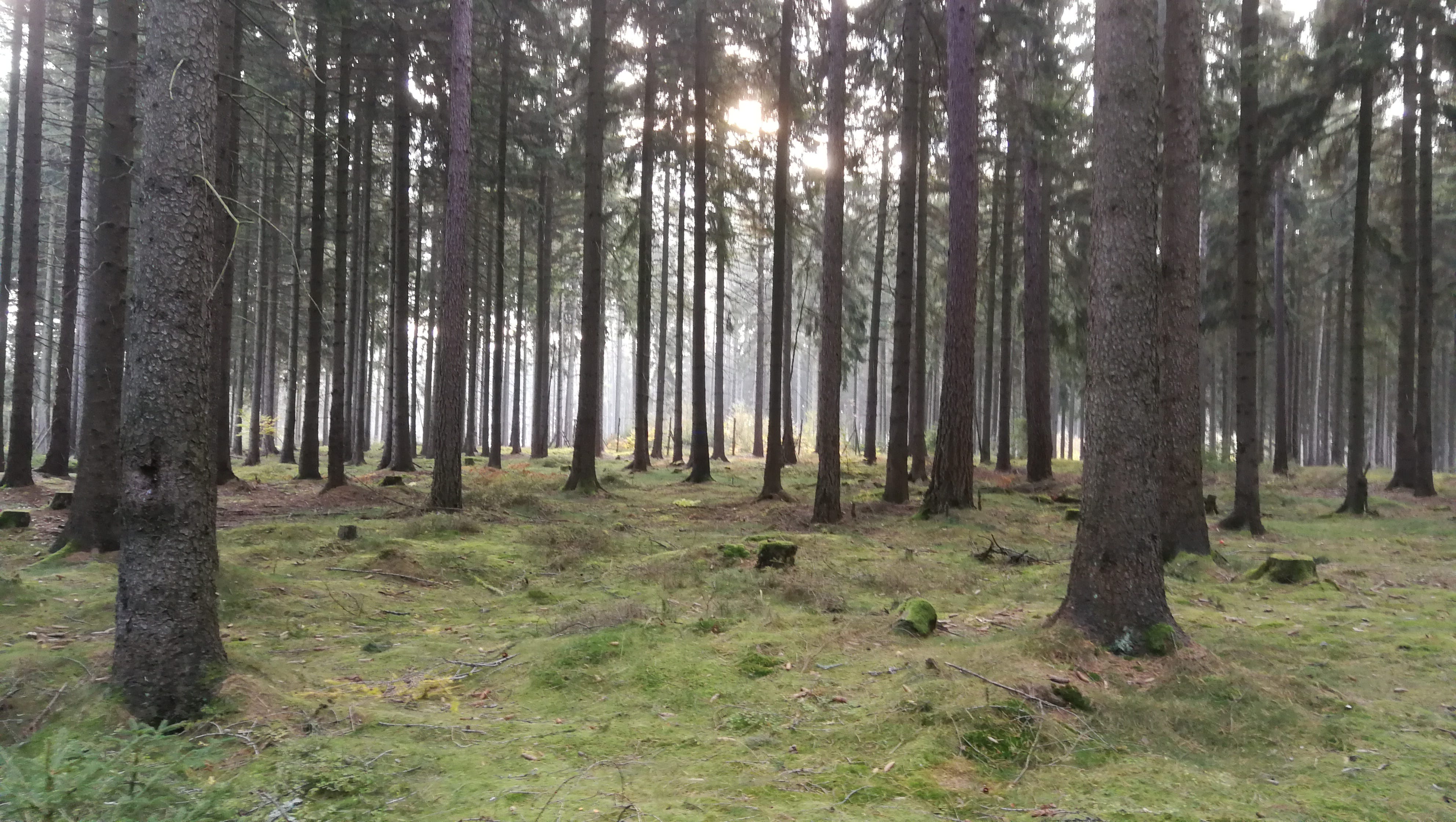
The trail for what is normally my second day is mostly easy trail, with the exception of one very steep logging road climbing up to Děčínský Sněžník (“Děčín Snowman”), a peak with a lovely restaurant and lookout tower that was shrouded in fog this year. As with the previous day, I saw very few people along the trail, and once I was up in the fog I saw nobody at all.
From there, the trail drops down to the mesa, and then takes another steep drop to reach the Autokemp pod císařem at Ostrov. Ordinarily I’d stop here for the day, but as it wasn’t even noon yet, and the next section to Kamphütte was also quite short, I ate a quick lunch and pushed on.
I made a couple dumb mistakes at this point, thinking I’d missed a turn and doubling back when in fact I hadn’t, and ended up adding a half-hour to the day’s time. But even with that, and hiking nearly 30km with some very steep sections, I still got in to the cabin—ordinarily, the one place where I can wash my clothes as there’s a cast-iron stove to dry them—by late afternoon with plenty of time to make dinner. Since this was a long day, I rewarded myself by eating my second portion of my very favorite trail dinner: dehydrated mashed potatoes with pemmican and hardtack. It’s the thickest, rib-stickiest glop, and I love it.


Day Three: Kamphütte to Spitzstein
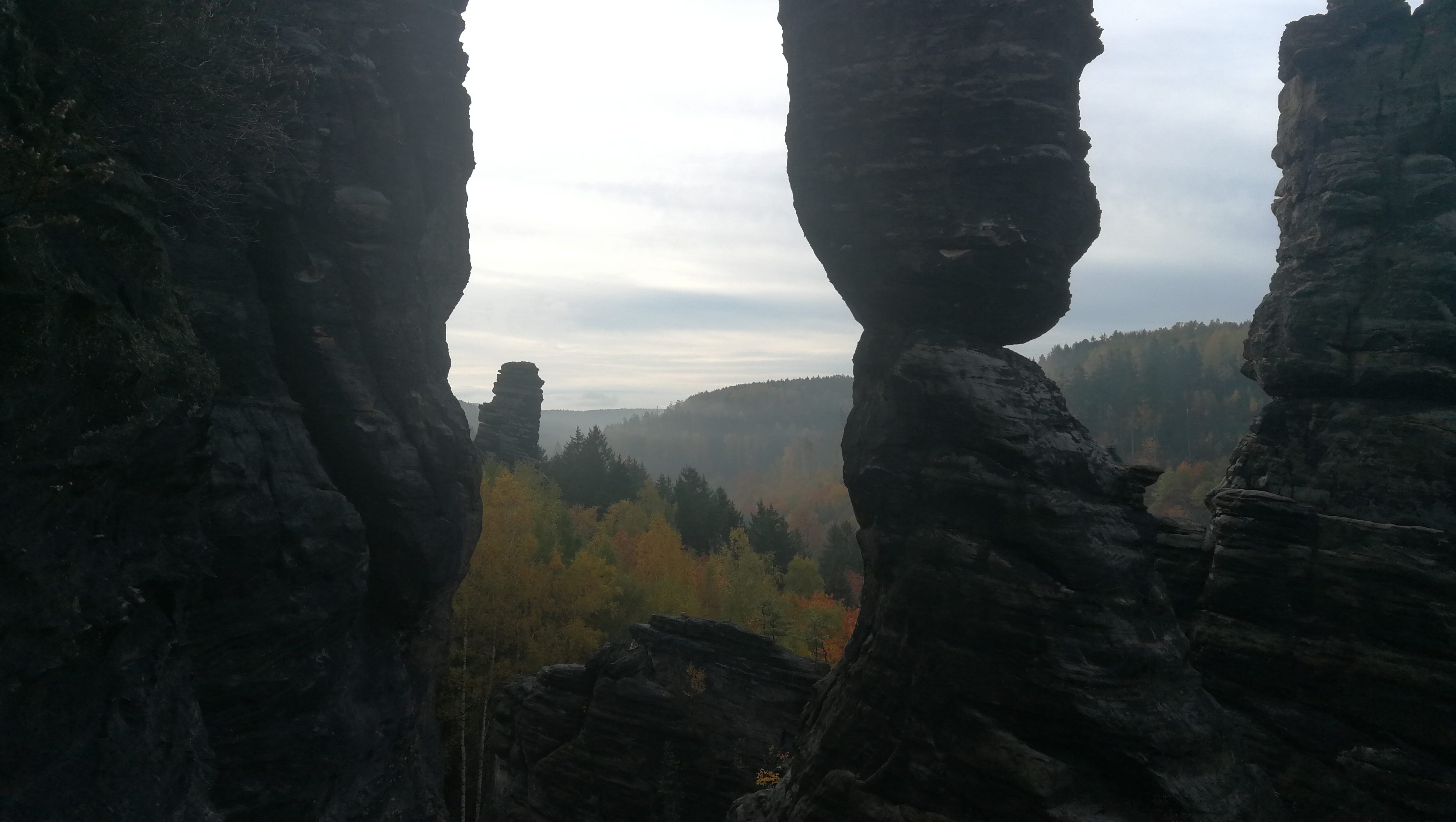
This next day is where I made fatal errors on my hike last year, so I was particularly keen to get out of the cabin and onto the trail early, no matter the weather (last year, I foolishly waited until the rain stopped, which meant I only started hiking after noon and never reached Spitzstein at all). Fortunately it was only foggy as I descended into Rosenthal via my favorite feature of the trail: the “labyrinth” of narrow crevasses, tunnels, ladders, and winding paths as the trail drops through the fells into a picturesque village in the river valley and then climbs its way back up the other side.
Despite being a relatively short hike, this was the day where I stuck to my original plan, only going from Kamphütte to Spitzstein and not attempting to go farther. The labyrinth isn’t difficult, but it is slow going, and I spent the morning working my way through it.
I also forgot to charge up my bodycam completely, so ended up shooting relatively little footage on this and the following day. But this section of trail passes through some of the most dramatic changes in local micro-biomes, switching between fern-covered forests, rocky fells, fog-shrouded river valleys, misty ridgelines, and more. This entire region, because of the mountains rising relatively suddenly from flatlands that extend all the way to the North and Baltic Seas, has very irregular and usually wet weather, making for often-inclement weather even when the local weather station says it’s sunny. Fortunately for me, there were only brief showers here and there, and otherwise merely overcast.